FREE SHIPPING ON ORDERS OVER $75

Boyle Heights History: Exploring East LA’s Hidden Gems

When people think of Los Angeles, they often picture the glitz of Hollywood or the waves of Santa Monica. However, to find the true soul of the city, you must travel east of the Los Angeles River. Exploring Boyle Heights history offers a glimpse into a neighborhood that has served as the primary gateway for immigrant communities for over a century. This area is a vibrant tapestry of resilient legacy businesses and cultural landmarks that define the East Los Angeles experience.
In this guide, we will step away from the traditional tourist traps to uncover the authentic sites that define this historic neighborhood. From the trumpets echoing in the plaza to the oldest taco stands in the city, you will learn how this community preserves its past while embracing a dynamic future. Let’s dive into the essential spots you should check out in Boyle Heights.
1. Mariachi Plaza: The Musical Heart of the Neighborhood
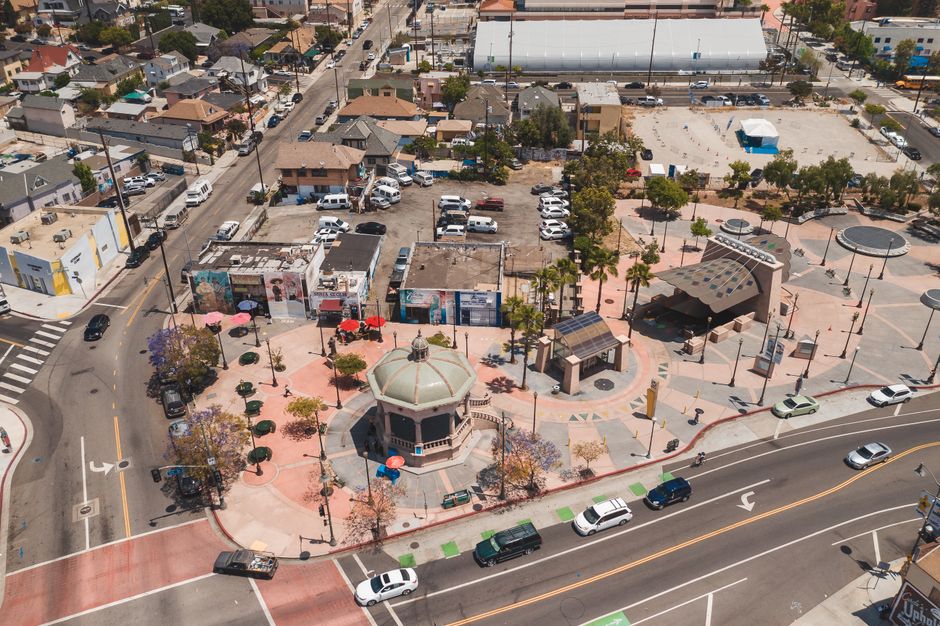
1. Mariachi Plaza: The Musical Heart of the Neighborhood
Located at the intersection of First and Boyle Streets, Mariachi Plaza is perhaps the most recognizable symbol of the neighborhood. Since the 1930s, mariachi musicians have gathered here, dressed in their traditional charro suits, waiting to be hired for parties, weddings, and serenades. It is a living marketplace of talent where the air is often filled with the sounds of violins and guitarróns. This plaza isn’t just a transit hub; it is a communal front porch for the people of East Los Angeles.
The centerpiece of the plaza is a beautiful stone kiosk, which was a gift from the Mexican state of Jalisco, the birthplace of mariachi music. Visitors can spend an afternoon sitting on the benches, watching the daily rhythm of the neighborhood unfold. Local vendors sell everything from fresh fruit to handmade crafts, creating a bustling atmosphere that feels worlds away from the sterile shopping malls of the Westside. It is the perfect starting point for any cultural walking tour of the area.
For a deeper experience, try to visit during the annual Santa Cecilia festival in November. This celebration honors the patron saint of musicians and features dozens of bands performing simultaneously. Even on a quiet weekday, grabbing a coffee at a nearby local shop and listening to the musicians practice provides an authentic look at the preservation of Mexican heritage in California.
2. Breed Street Shul: A Crossroads of Jewish and Latino History
One of the most fascinating aspects of Boyle Heights history is its multicultural origin. Before it became the heart of the Chicano movement, Boyle Heights was the center of Jewish life in Los Angeles. The Breed Street Shul, formally known as Congregation Talmud Torah, stands as a majestic reminder of this era. Built in 1915 and expanded in 1923, it was once the largest Orthodox synagogue west of Chicago, earning the neighborhood the nickname “the Ellis Island of the West.”
As the neighborhood demographics shifted in the mid-20th century, the Jewish community moved westward, but the Shul remained. Today, it serves as a powerful symbol of the shared history between Jewish and Latino residents. The building is currently being restored to serve as a community center that honors both its Jewish roots and its current Latino surroundings. This intersection of cultures is what makes the neighborhood’s legacy so unique and layered.
Walking past the Shul, you can see the intricate stonework and imagine the days when the streets were filled with Yiddish speakers. It is a rare architectural gem that tells a story of transition and respect. Local preservationists often host tours and events that highlight how these two distinct cultures have influenced the neighborhood’s food, politics, and social fabric over the decades.
3. El Tepeyac Cafe: Home of the Legendary Hollenbeck Burrito
3. El Tepeyac Cafe: Home of the Legendary Hollenbeck Burrito
No exploration of East Los Angeles is complete without a stop at El Tepeyac Cafe. This legacy business has been a neighborhood staple since the mid-20th century, famously helmed by the late Manuel Rojas. Known for its massive portions and welcoming atmosphere, El Tepeyac represents the culinary heart of the barrio. It is the kind of place where generations of families have gathered to celebrate milestones over plates of steaming chile verde.
The star of the menu is undoubtedly the “Manuel’s Special,” a five-pound burrito that has challenged hungry locals and visiting celebrities alike. However, the true local favorite is the Hollenbeck Burrito. Filled with slow-cooked pork, rice, beans, and topped with a signature sauce, it is a masterclass in traditional comfort food. The cafe’s interior, decorated with photos of its storied past, makes you feel like you are dining in a friend’s kitchen rather than a commercial restaurant.
While there are newer, trendier spots in the city, El Tepeyac remains a cornerstone of the community. The long lines on weekend mornings are a testament to its enduring quality. Sitting at the counter provides a front-row seat to the hustle and bustle that has kept this establishment thriving for over 70 years. It is more than just a meal; it is a pilgrimage for anyone who appreciates the history of Los Angeles food culture.
4. Al & Bea’s Mexican Food: The Gold Standard of Bean and Cheese
If El Tepeyac is the king of the heavy hitters, Al & Bea’s Mexican Food is the master of simplicity. This modest walk-up window on 1st Street has been serving what many locals consider the best bean and cheese burrito in the world since 1966. In a city obsessed with food trends, Al & Bea’s has stayed successful by doing one thing perfectly for over half a century. Their secret lies in the quality of their lard-infused beans and the spicy, flavorful green chili sauce.
The experience of eating at Al & Bea’s is quintessentially Boyle Heights. You order at the window, wait on the sidewalk, and eat your burrito on a nearby bench or in your car. It is a no-frills establishment that prioritizes flavor and tradition over aesthetics. The red salsa is notoriously hot, providing a kick that perfectly complements the creamy texture of their signature beans. It is a favorite pit stop for commuters and neighborhood residents alike.
Beyond the burritos, their shredded beef tacos offer a satisfying crunch that recalls the classic “hard shell” style popular in mid-century California. Supporting Al & Bea’s means supporting a family-run legacy that has resisted the pressures of gentrification. It remains an affordable, delicious, and vital piece of the local landscape that every visitor should experience at least once.
5. Otomisan: The Last Trace of Little Tokyo in the East
5. Otomisan: The Last Trace of Little Tokyo in the East
Hidden in plain sight on 1st Street is Otomisan, the last remaining Japanese restaurant in Boyle Heights. Many people are surprised to learn that before World War II, the neighborhood was home to a significant Japanese-American population. After the forced internment of Japanese citizens during the war, much of that community was displaced, but Otomisan stands as a resilient survivor of that era. It is the oldest Japanese restaurant in the neighborhood, operating since the 1950s.
Stepping inside Otomisan feels like stepping back in time. The tiny dining room is filled with nostalgic decor and a sense of quiet intimacy. The menu features traditional Japanese comfort food, including perfectly fried tempura and savory katsu bowls. It is a poignant reminder of the diverse ethnic threads that are woven into the history of East Los Angeles, offering a different perspective on the neighborhood’s evolution.
The current owner, Yayoi-san, continues to serve the community with the same dedication that has defined the restaurant for decades. It is a favorite spot for those who want to escape the crowds of Little Tokyo and enjoy a meal that feels truly personal. Otomisan is a vital cultural bridge, connecting the Japanese-American past of Boyle Heights with its vibrant Latino present.
6. Bonus: The Murals of Estrada Courts
While not a business or a single landmark, the murals of Estrada Courts are an essential part of the neighborhood’s visual history. This housing complex features some of the most significant Chicano muralism in the world. Created primarily in the 1970s, these artworks depict themes of social justice, indigenous heritage, and community pride. Walking through the courts is like visiting an outdoor art museum that documents the struggles and triumphs of the people who live here.
The murals serve as a powerful form of storytelling, ensuring that the history of the neighborhood is literally painted onto its walls. They provide a colorful backdrop to daily life and offer a sense of identity and belonging to the residents. For photographers and art lovers, this is a must-see destination that captures the creative spirit of East Los Angeles.
Conclusion
Boyle Heights is a neighborhood that rewards those who take the time to look beneath the surface. By visiting Mariachi Plaza, the Breed Street Shul, and legendary eateries like El Tepeyac, you aren’t just sightseeing—you are engaging with a living history that continues to shape the identity of Los Angeles. Whether you are a local or a visitor, these spots offer a profound connection to the cultural heritage and enduring spirit of the Eastside.